Camelo: A Handwritten Font with Timeless Charm
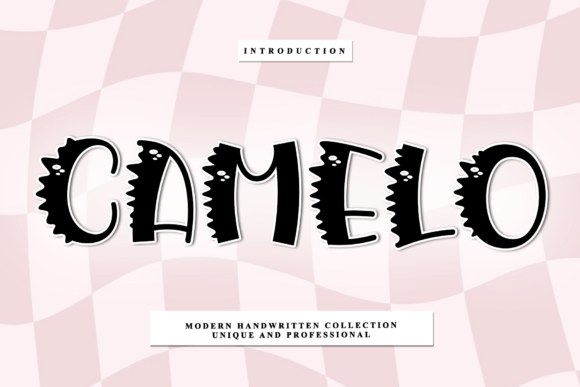
Imagine a typeface that feels like it was just written by hand, yet carries a polished, professional weight. That’s the experience Camelo delivers. This lovely and timeless handwritten font is quickly becoming a favorite for designers seeking to inject personality and elegance into their work. It’s more than just a script font; it’s a versatile design asset that can elevate a project from ordinary to memorable.
What makes Camelo stand out is its unique character. Every letter has a beautiful, organic touch, blending the fluidity of cursive with a modern, clean aesthetic. This balance makes it incredibly flexible. Unlike some overly decorative fonts that sacrifice readability, Camelo maintains clarity, ensuring your message is always understood. It’s a premium font that feels both personal and professional, making it suitable for a wide range of creative applications.
Where Can You Use Camelo?
The true value of a typeface like Camelo lies in its practical use cases. Its design is inherently eye-catching, which makes it a best choice for projects that need to make a strong visual impression. Consider these applications:
- Logo & Brand Identity: A logo sets the tone for an entire brand. Camelo’s distinctiveness helps create logos that are recognizable and full of character, perfect for boutique brands, lifestyle blogs, or artisan products.
- Packaging Design: On product labels, gift boxes, or shopping bags, this handwritten font adds a touch of craftsmanship and care, making the item feel more special.
- Social Media Graphics: For quotes, announcements, or story highlights, Camelo grabs attention in a crowded feed. It helps your graphics look more designed and intentional.
- Poster & Editorial Design: Use it for headlines in magazines, event posters, or book covers where a human, artistic feel is desired.
- Web Design & Invitations: It works beautifully for website headers, call-to-action buttons, or digital invitations for weddings and events, adding a layer of sophistication.
Tips for Choosing and Pairing Fonts
When you download a new typeface, thinking about how it fits into your broader design toolkit is key. Here’s how to get the most out of Camelo and ensure it works harmoniously in your projects.
First, test for readability at the size you intend to use it. While Camelo is clear, it’s best suited for shorter text blocks like headings or logos rather than long body paragraphs. Next, match the mood of your project. Its elegant, flowing nature suits romantic, creative, or upscale themes perfectly. For a more corporate or technical context, you might pair it with a clean sans serif font.
Font pairing is crucial. A classic and effective approach is to combine a script or handwritten font like Camelo with a simple, neutral serif or sans serif typeface. For example, using Camelo for a headline and a font like Lato or Open Sans for the body text creates a beautiful contrast that is both dynamic and easy to read. Always review the font’s full character set to see what alternates, ligatures, or multilingual support are available—these details can add extra flair to your designs.
Finally, always check the license before using any commercial font. Ensure the terms cover your intended use, whether for a personal blog, client work, or merchandise. Respecting licensing protects you and supports the talented typographers who create these design assets.
Choosing the right typeface is a fundamental step in design. A well-crafted font like Camelo does more than display words; it communicates emotion, establishes brand identity, and brings a cohesive visual language to your work. It’s an investment in quality that can help make your designs look more polished, professional, and alive.